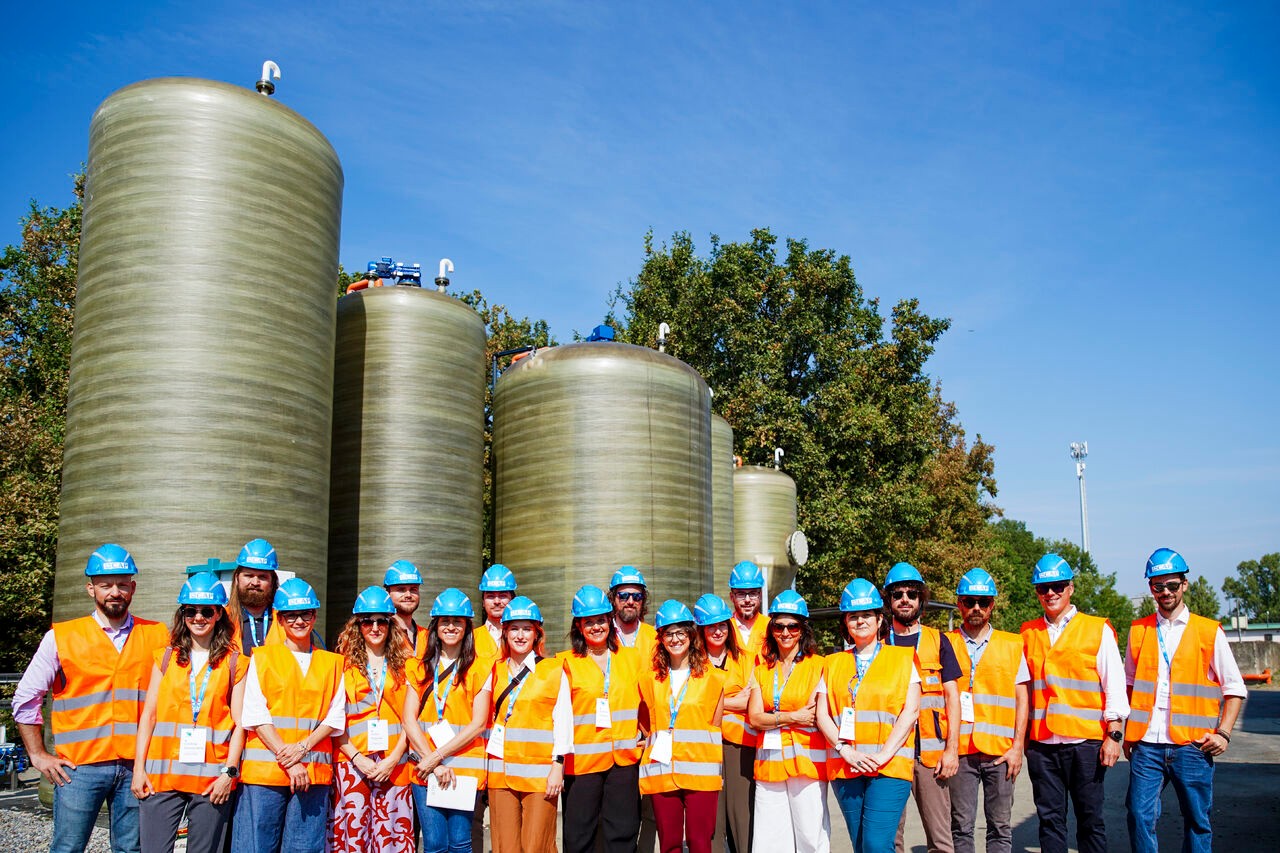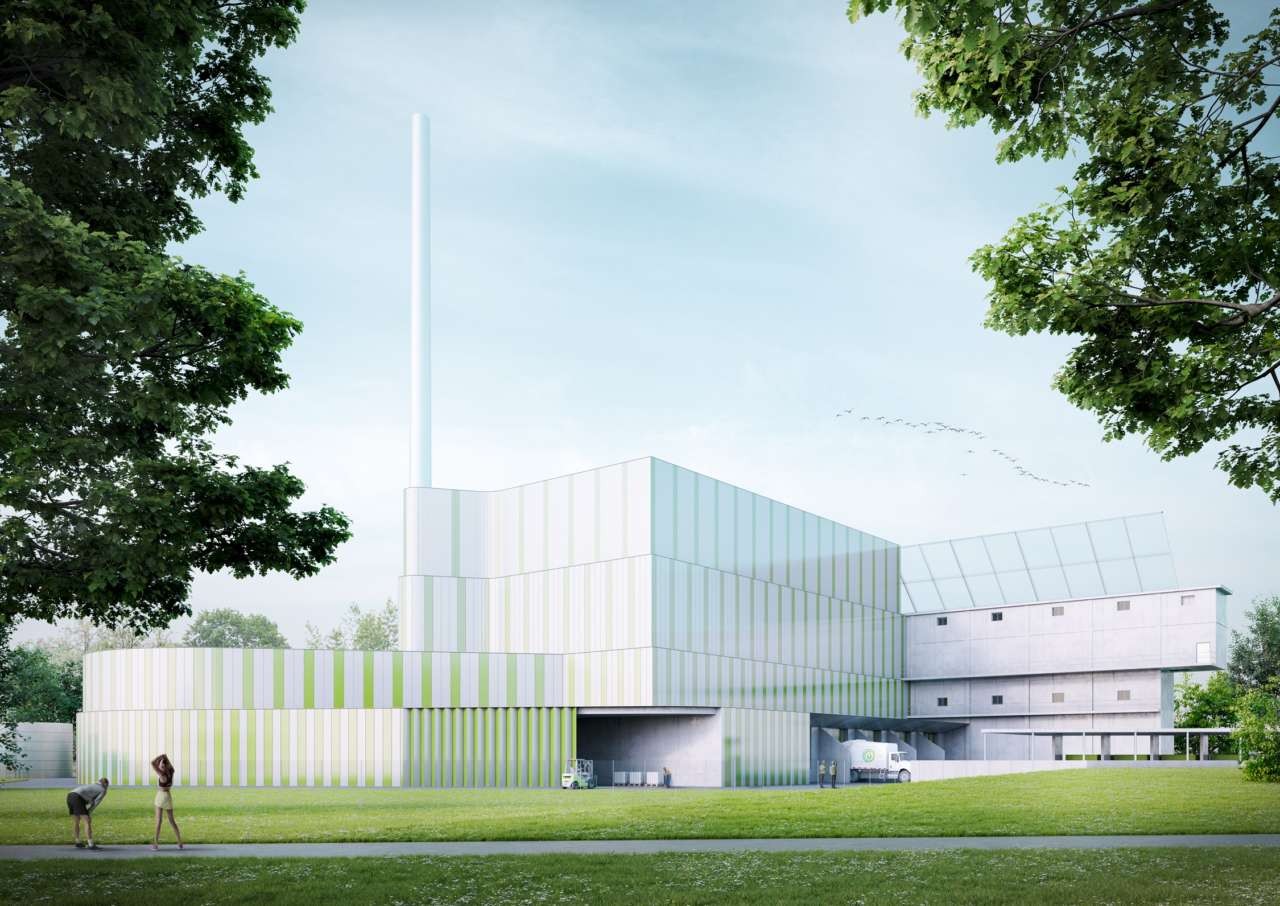
The CIRCULAR BIOCARBON project aims first and foremost to be an efficient and effective model of circular economy, which can then be replicated at other plants in Europe. The biorefinery model will be implemented in two case studies: in Italy, at the Sesto San Giovanni Bioplatform, and in Spain, at the Zaragoza Technology Innovation Centre. Multi-location implementation promotes the replicability of the model, testing multiple waste management schemes, ecosystems and practices in different territories.
CAP is leading the Italian case study, with scientific support from Università Politecnica delle Marche and Università di Verona, and the collaboration of Novamont as an industrial partner. The project involves the use of wet waste, pre-treated in the Bioplatform, and sewage sludge, produced locally in Sesto, in an innovative co-fermentation process. This process increases the methane potential of the sludge and allows it to be used within the sewage treatment plant, reducing the use of external reagents and minimising waste production.
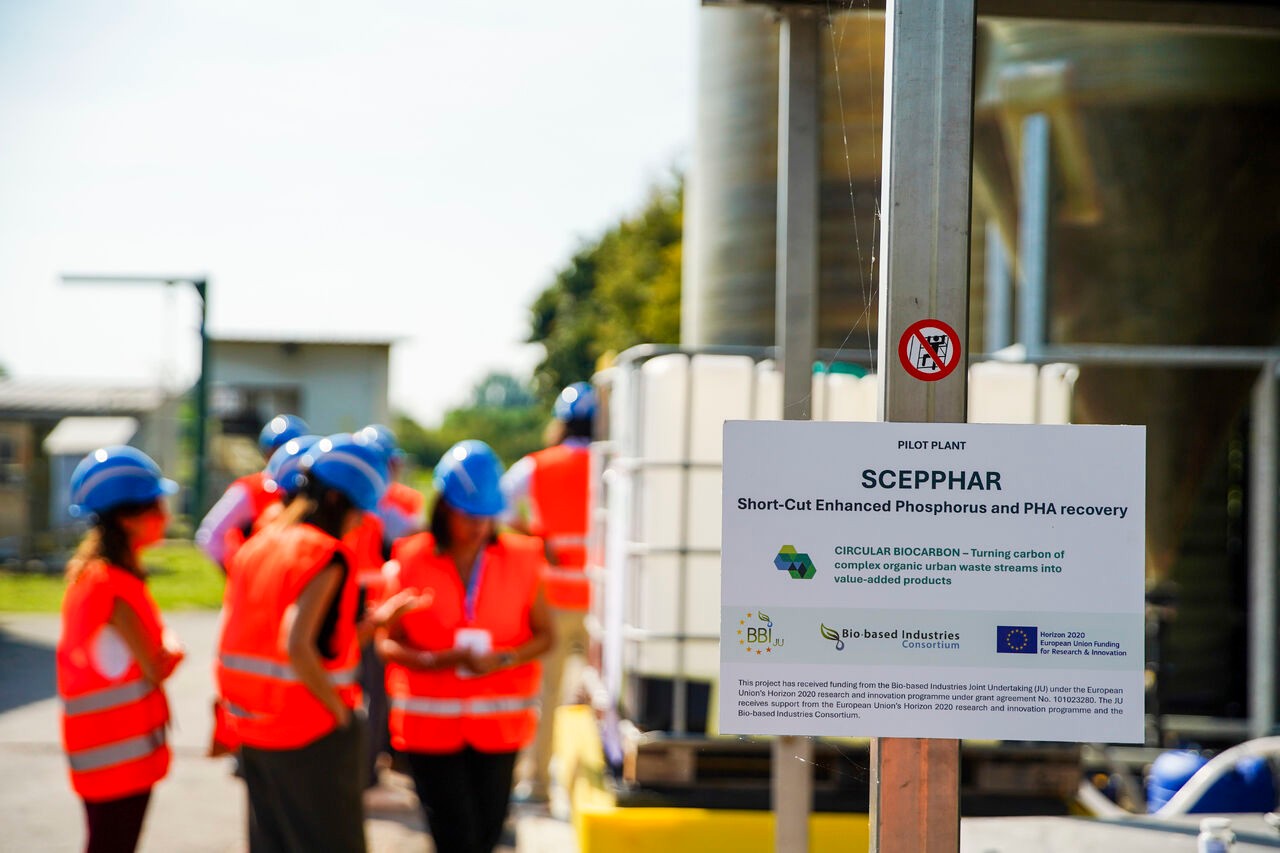
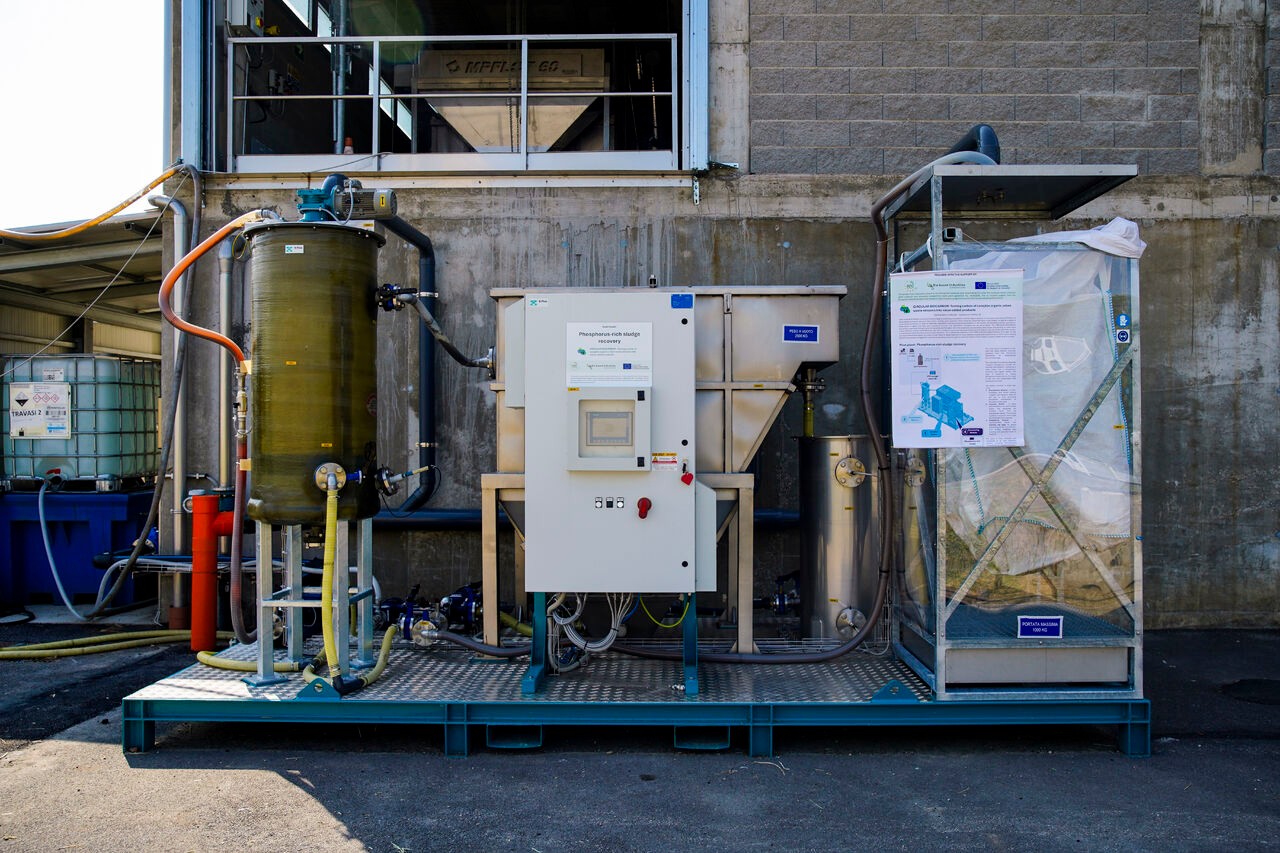
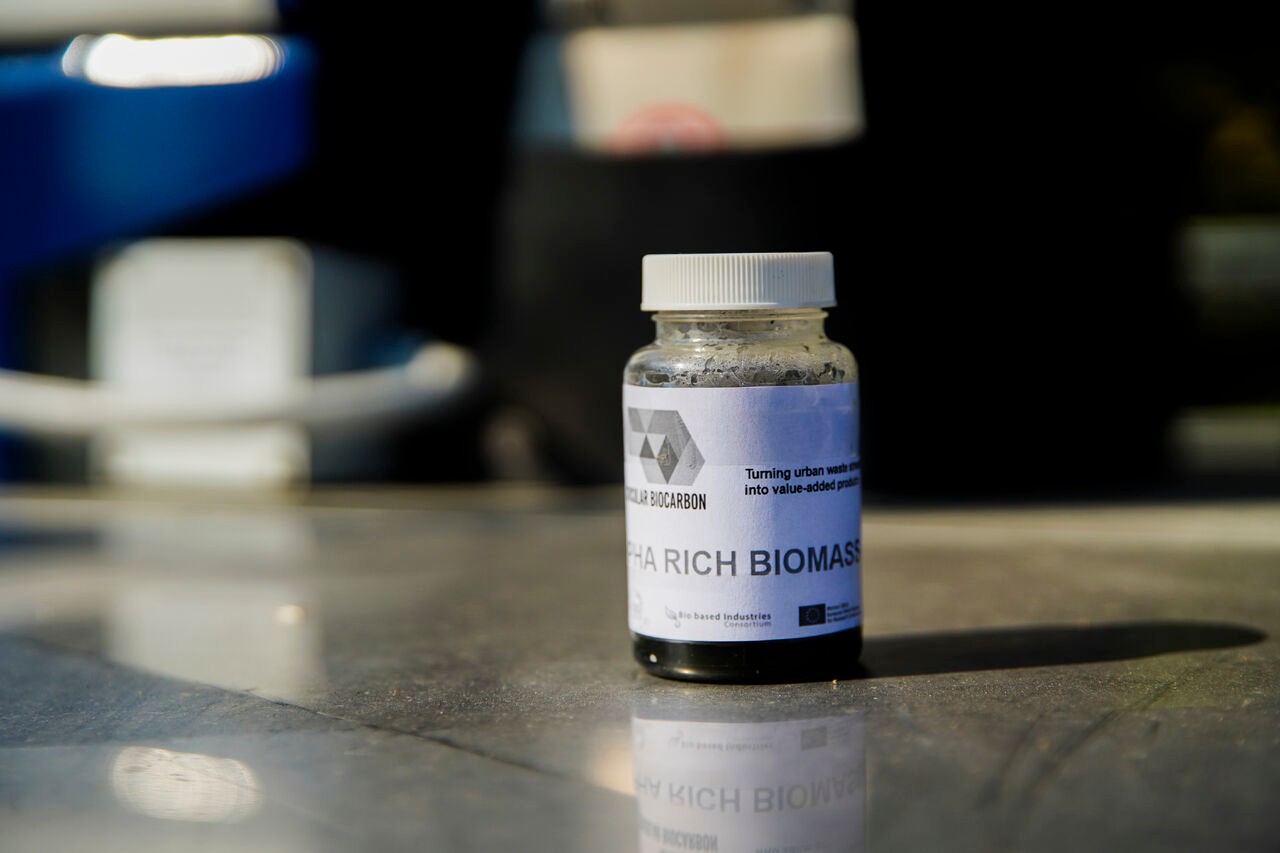
Downstream of the co-fermentation process, an innovative process will be validated [TA1] on an industrial scale, which will make it possible to obtain biomass rich in biopolymers, which can be used for the production of biodegradable and compostable bags, as well as mulching sheets. This process will be integrated with advanced technology for the recovery of essential nutrients, such as phosphorus, which is a critical raw material, to be used in the production of fertilisers with biostimulant properties.