Phosphorus is an essential resource for agriculture. It is mainly used in the production of fertilisers, but demand is also growing in several industrial sectors, including battery manufacturing.

Available mineral reserves are limited and largely concentrated outside Europe, making the continent heavily dependent on imports. The gradual depletion of deposits and the classification of phosphate rock as a critical raw material have increased interest in Urban Mining strategies, aimed at recovering resources locally and reducing reliance on non-European suppliers.

In this context, wastewater, sewage sludge and the ash generated by their treatment represent an alternative source of phosphorus that remains largely untapped.

NEOFOS was created to seize this opportunity: developing and testing technologies capable of recovering phosphorus from these streams and transforming it into a new raw material, while reducing waste, lowering the environmental impact of treatment processes and decreasing Europe’s dependence on imports.


Project objectives

Neofos tests innovative solutions for recovering phosphorus at different stages of the wastewater treatment process.

Separate phosphorus from wastewater

Recover it from sewage sludge and the ash generated by its treatment

Purify the recovered phosphorus and assess its potential reuse as a raw material

Our role

Gruppo CAP leads NEOFOS and coordinates the partners’ activities, from research to testing at operational facilities.

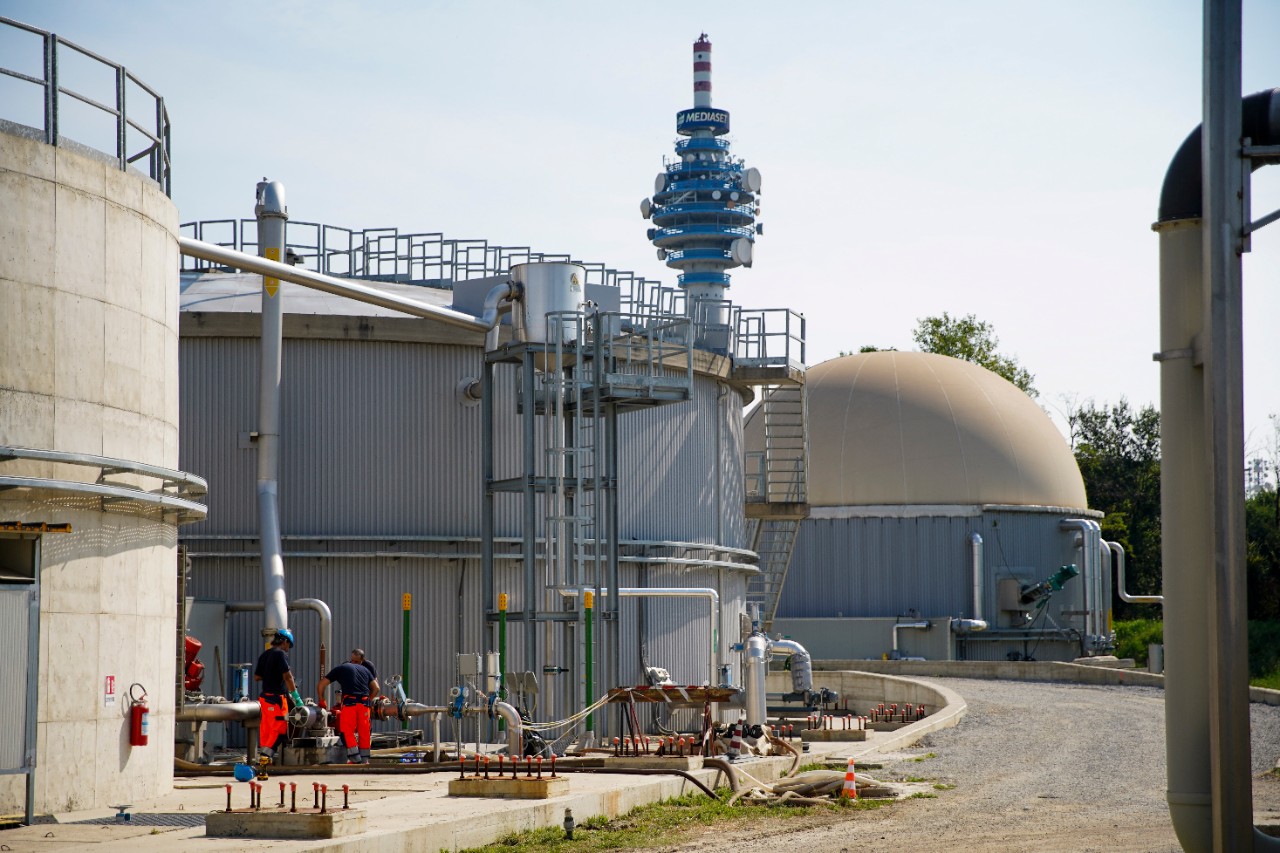
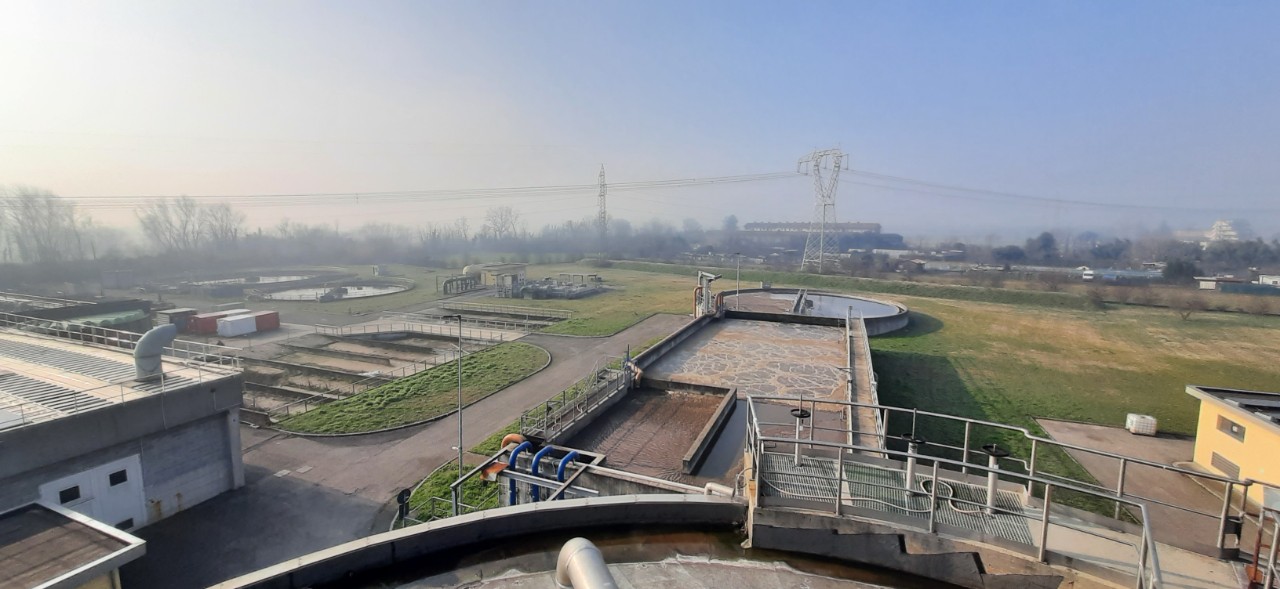
It contributes its expertise in integrated water cycle management and provides access to several sites, including the Bareggio wastewater treatment plant and the Sesto San Giovanni Bioplatform.

CAP’s role is to help turn research findings into solutions that can be effectively applied at wastewater treatment plants, bridging the gap between scientific experimentation and industrial operations.

Partner

MM
  • MM, a company owned by the Municipality of Milan, is a strategic operational partner in the testing and modelling phases, drawing on the experience gained at its Milan San Rocco and Milan Nosedo treatment plants.
Politecnico of Milano
  • Politecnico of Milano (PoliMI) supports the modelling and optimisation of phosphorus removal and recovery processes, including testing related to phosphorus recovery from ash generated by the mono-incineration of sewage sludge.
University of Bologna
  • The University of Bologna (UniBO) contributes to the laboratory-scale optimisation of ash recovery processes, as well as to environmental and economic sustainability assessments and the definition of End-of-Waste pathways.

Treatment plants involved

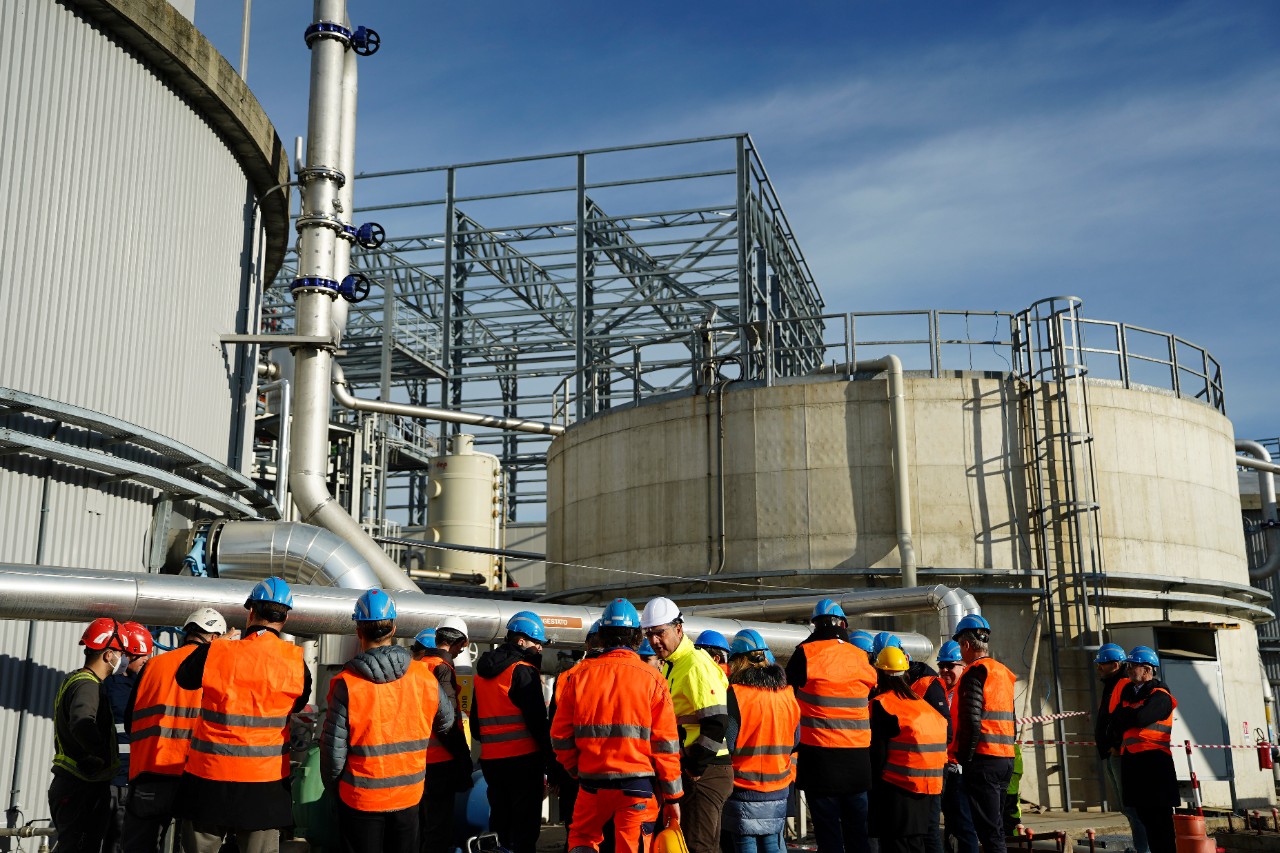
  • Bareggio and Milan Nosedo wastewater treatment plants: application of advanced biological phosphorus removal processes.
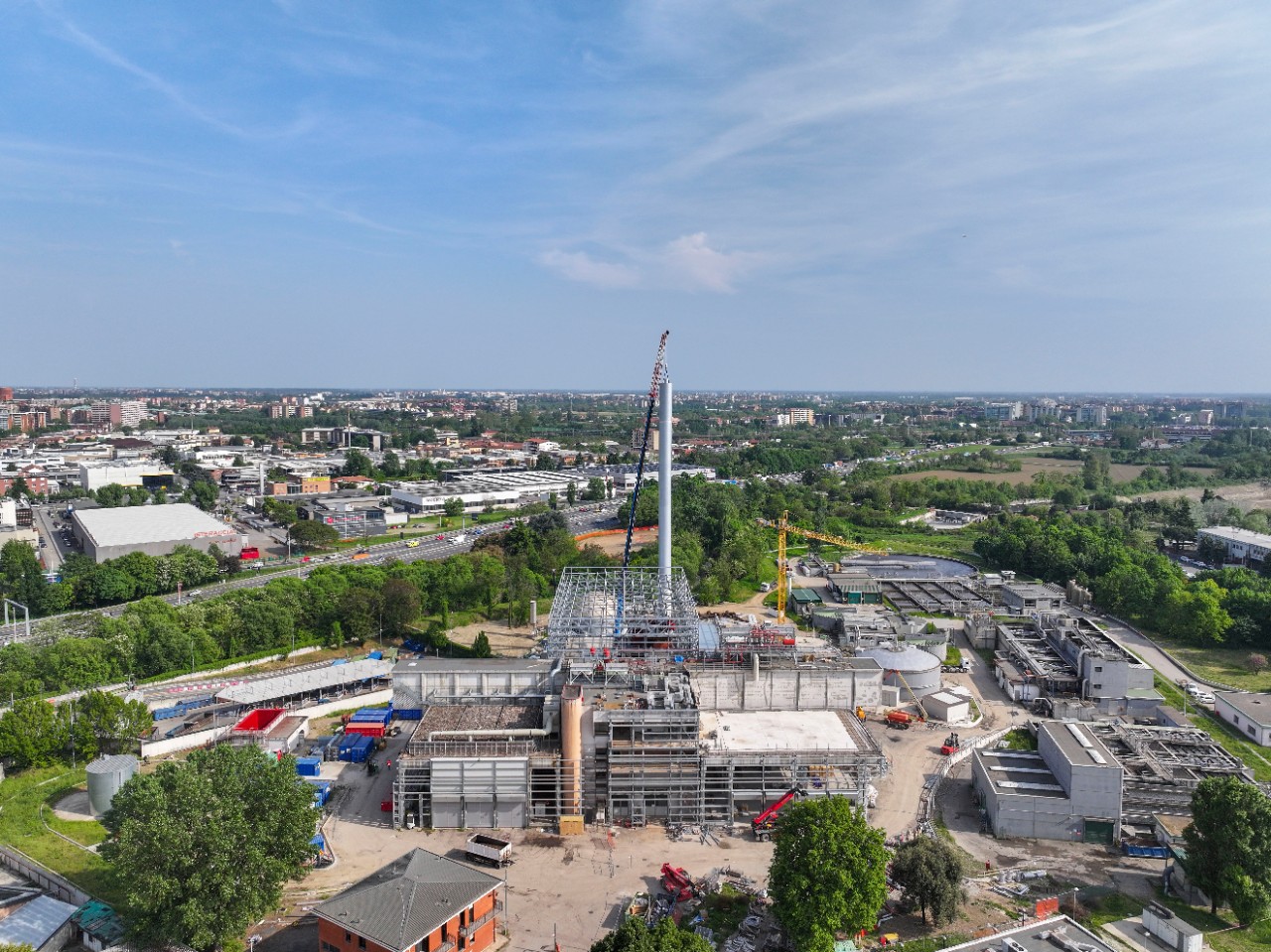
  • Sesto San Giovanni Bioplatform: extraction and purification of phosphorus salts from sewage sludge and phosphorus recovery from mono-incineration ash.
  • Milan San Rocco wastewater treatment plant: recovery of phosphorus from mono-incineration ash.

The project at a glance

Project Details
Start January 2026
End Dicember 2026
Funding Euro 1,4 mln
Funding body Italian Ministry of the Environment and Energy Security (MASE)
Field Critical raw materials, Urban Mining
Goal To develop innovative and sustainable solutions for recovering phosphorus from sewage sludge, wastewater and mono-incineration ash