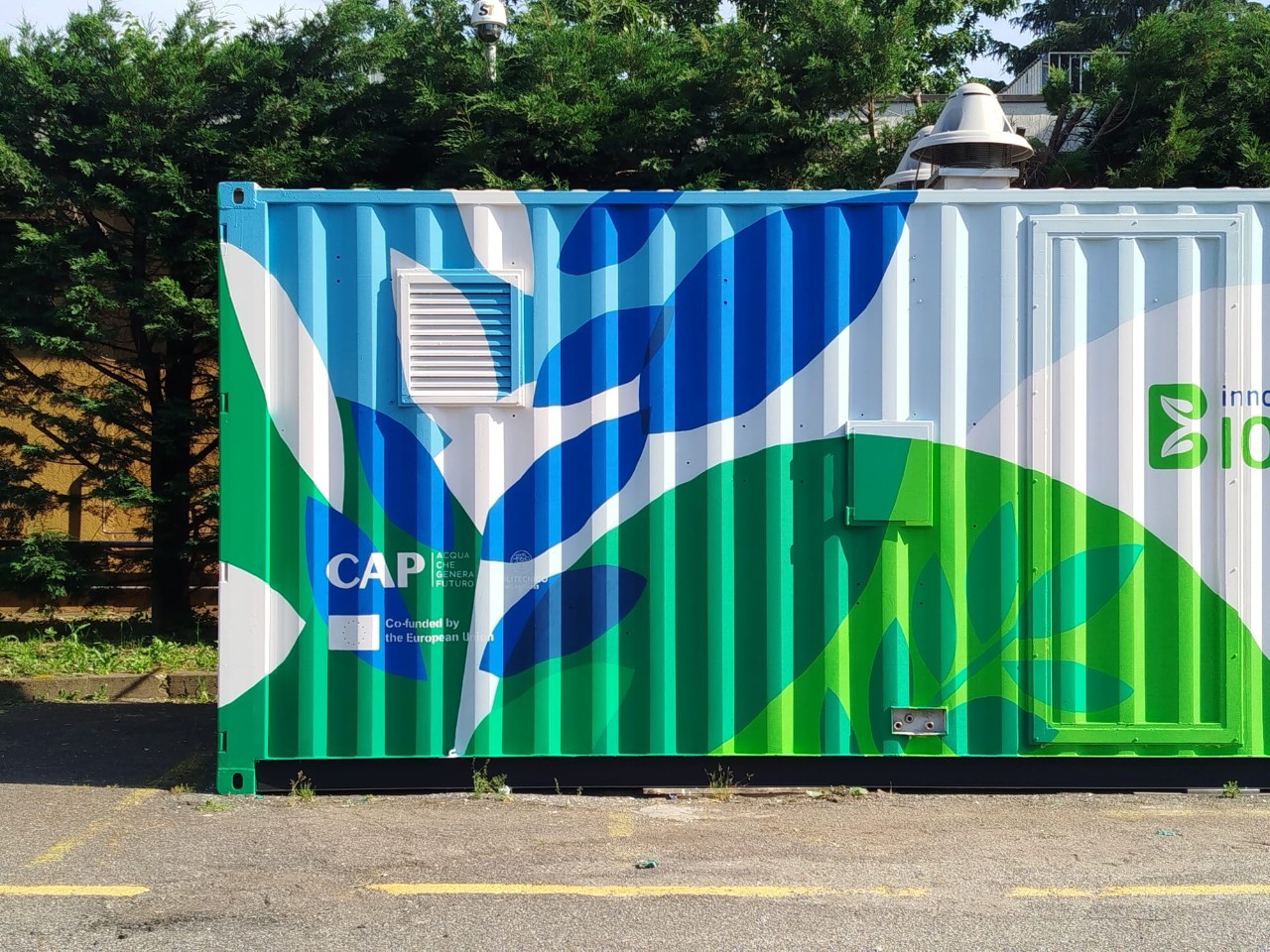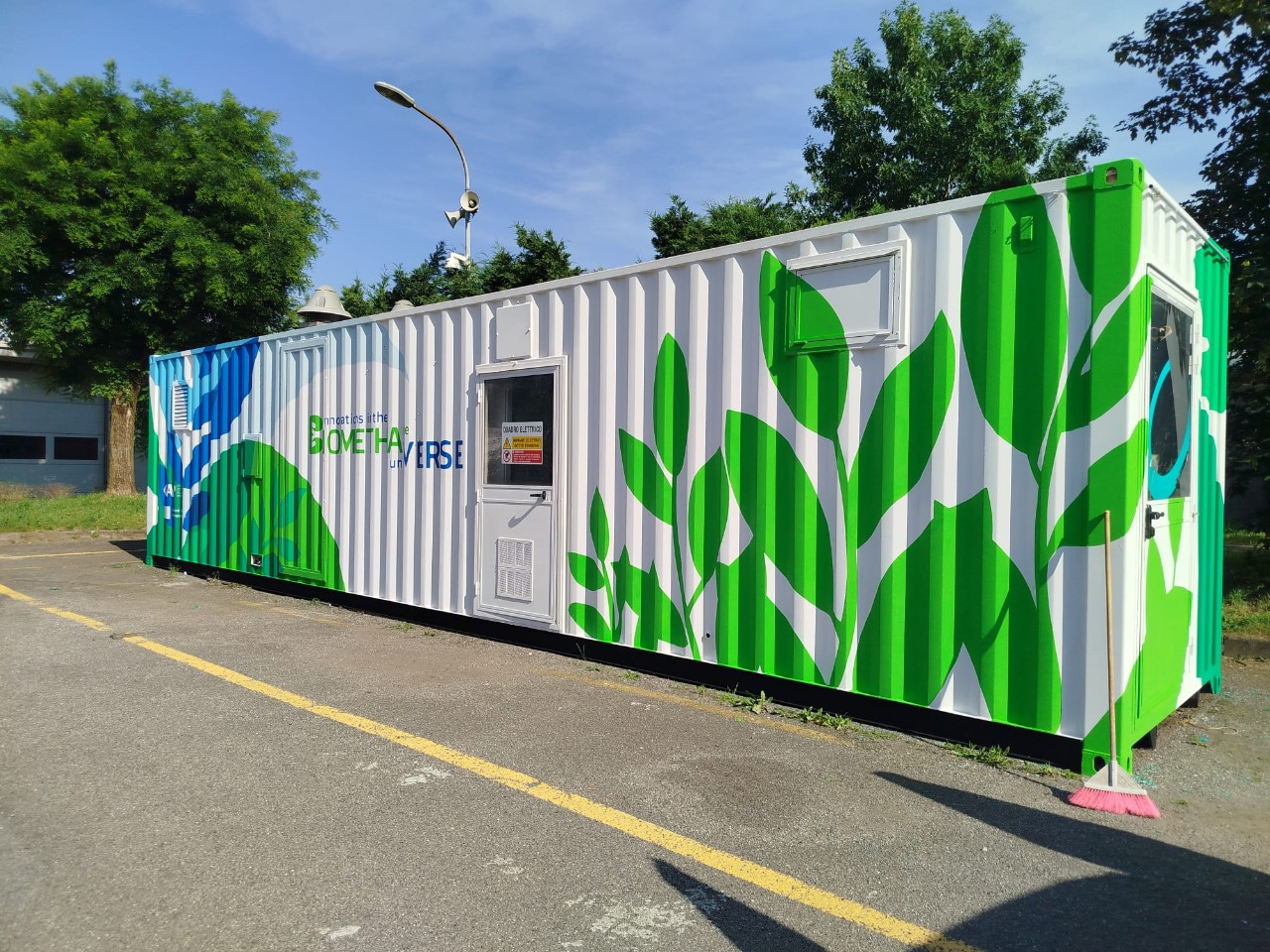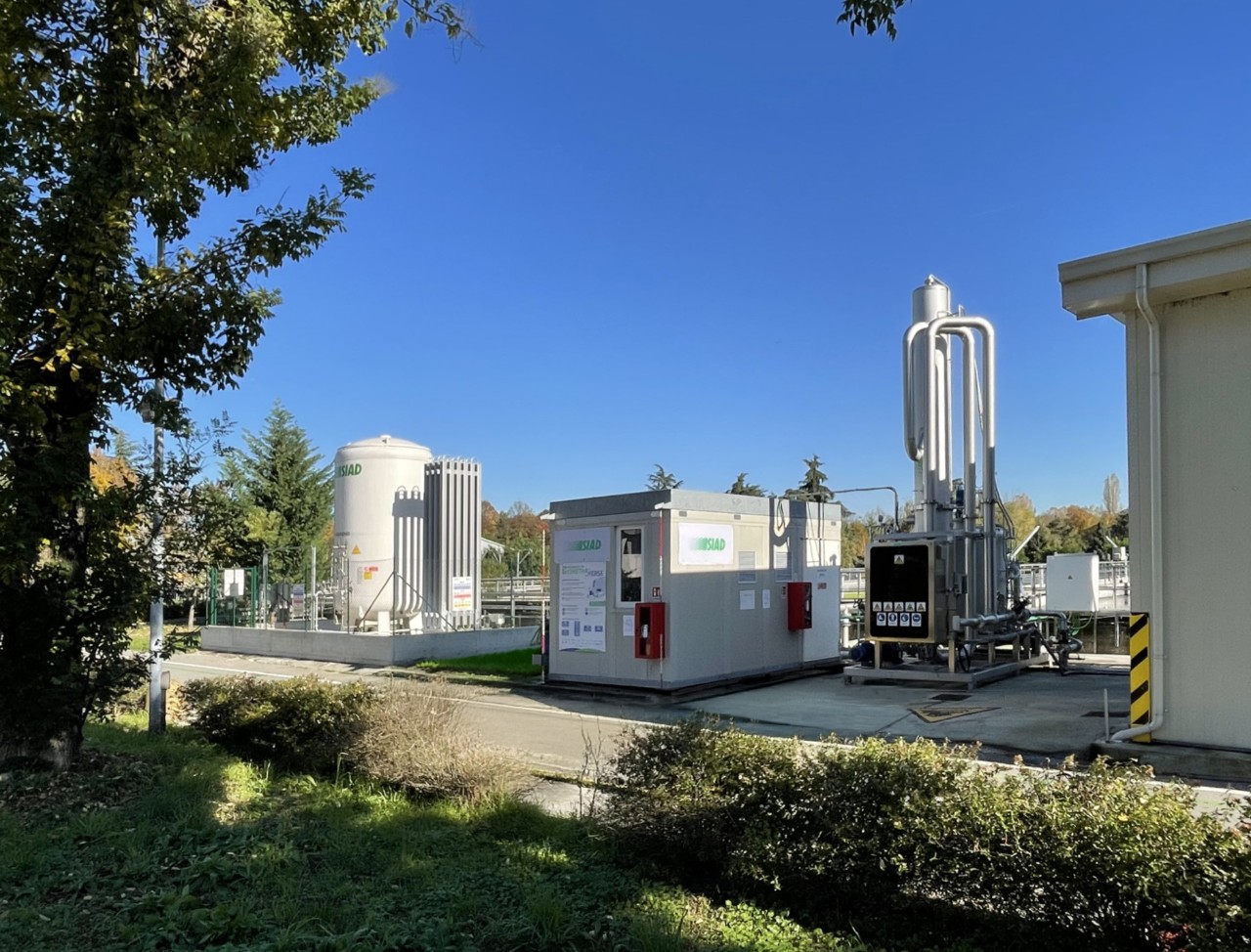
At the Bresso wastewater treatment plant (WWTP), managed by Gruppo CAP, a demonstration model is currently being implemented to improve the efficiency of energy recovery processes from sewage sludge.
The project involves several stakeholders with complementary roles: Gruppo CAP, acting as the demo leader, coordinates on-site activities, technology integration, and operational plant management; Politecnico di Milano is responsible for scientific research and the experimental operation of the reactors; SIAD is in charge of technological development, having designed and built the ozonolysis unit, and conducts full-scale experiments on increasing biogas production.
The technological infastructure
The system is based on the functional interconnection of four pilot technologies, aimed at optimizing every stage of the biogas and biomethane supply chain:
- Ozonolysis of Sewage Sludge
This process involves pre-treating the sludge with ozone to promote the breakdown of biomass cell walls and the solubilization of organic components. The goal is to increase the substrate's biodegradability, significantly improving the subsequent biogas yield within the digesters.
- Microalgae Cultivation and Nutrient Recovery
A dedicated reactor allows for the growth of microalgal biomass by using the liquid fraction of the digestate (rich in nitrogen and phosphorus) as a nutrient source. This process enables the valorization of by-products and the production of new biomass while simultaneously treating a liquid fraction that is typically difficult to manage.
- Ex-Situ BioMethanation (EBM)
This unit represents the core of the Italian demonstration case and implements the biological upgrading of biogas. By injecting hydrogen obtained through electrolysis and utilizing microbial action, the $CO_2$ resulting from conventional separation processes is converted into additional biomethane ($CH_4$), maximizing carbon recovery.
- Advanced Anaerobic Co-digestion
The co-digestion unit is dedicated to the combined treatment of sewage sludge, ozonated biomass, and microalgae. This configuration aims to stabilize the biological process and validate the overall increase in biomethane production on a pilot scale, based on the selected biomass mix.
Objectives of the Integrated System
The architecture of the case study allows for the evaluation of synergies between different treatment units through integrated flow modeling. The primary objective is the technical validation of an industrial ecosystem capable of reducing waste sludge production while simultaneously raising renewable energy production standards. The data collected during this demonstration phase will be fundamental for the techno-economic feasibility assessments (TEA) required for the future industrial scalability of these technologies.